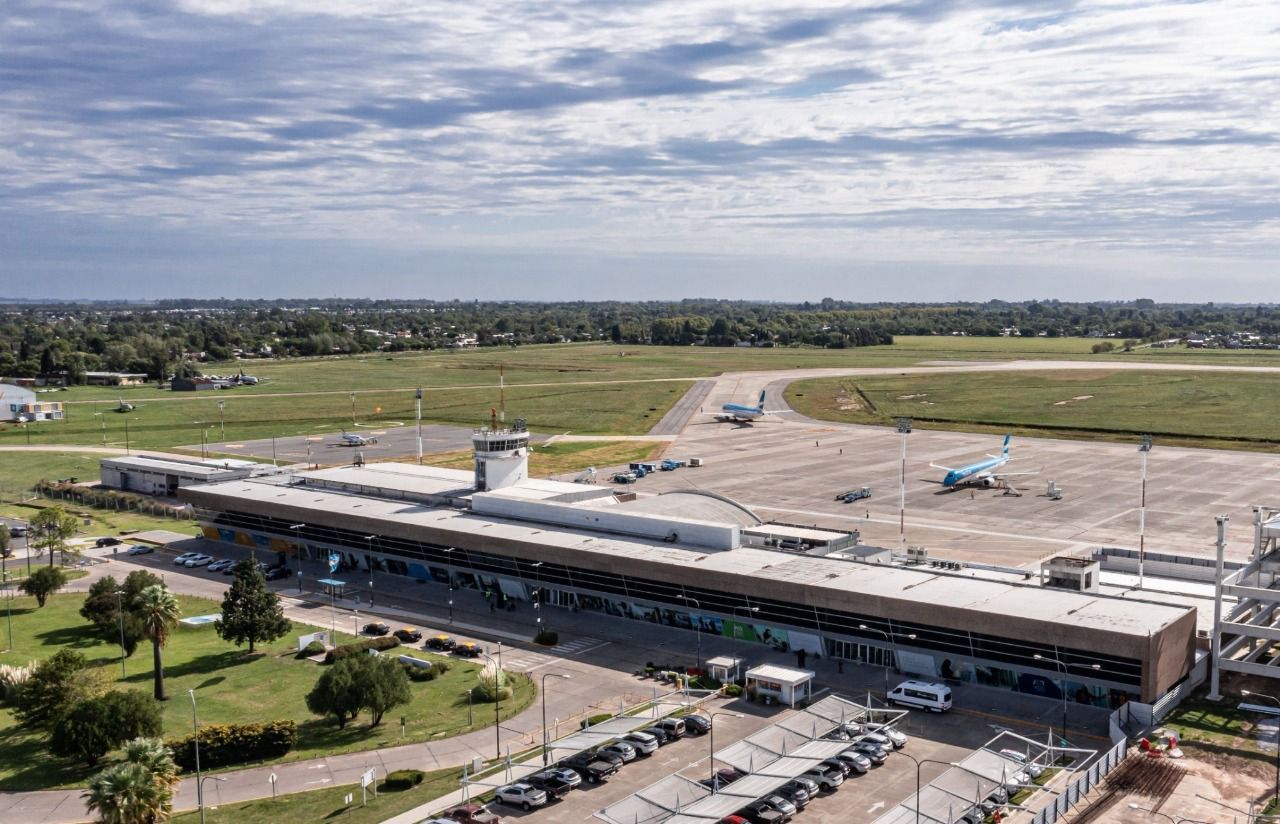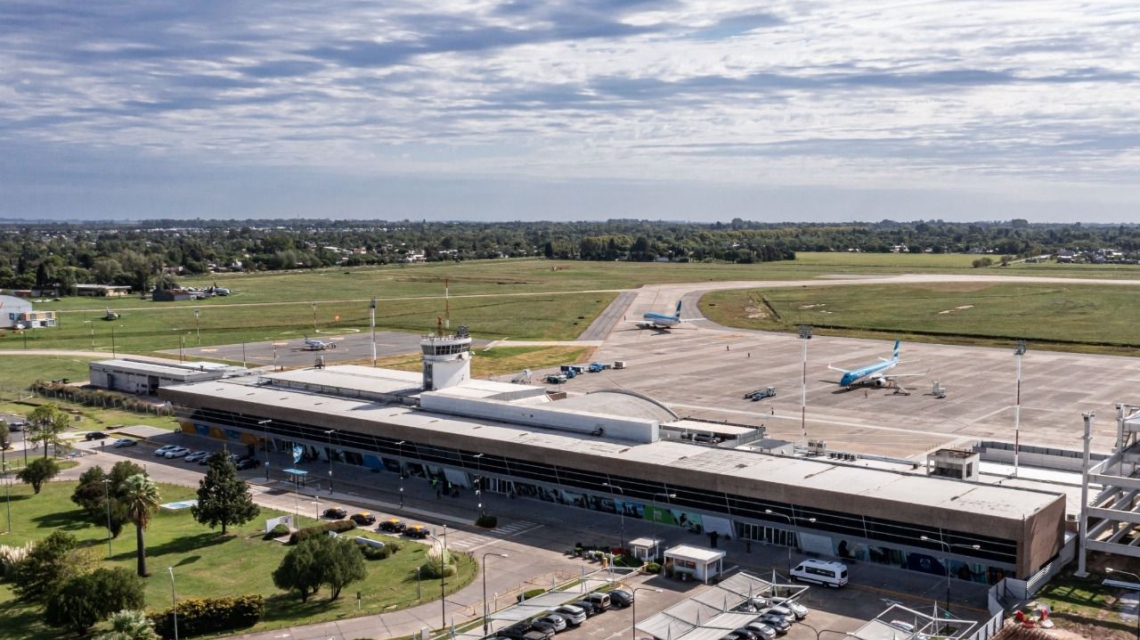
The province of Santa Fe reaffirms its leading role on the Argentinean aviation map, in a context of sustained growth of air transport at national level. According to official data from the National Civil Aviation Administration (ANAC), May 2025 marked a new historical record with 3,721,398 passengers transported at the country's airports, representing an increase of 21% over the same month of the previous year.
The Government of Santa Fe, led by Maximiliano Pullaro, stresses that these indicators not only reflect greater mobility, but also have a direct impact on the economy, tourism, production and employment. "Air connectivity is a strategic tool for the development of our regional economies. It is not just about more flights, but about multiple opportunities for the entire productive hinterland," said the Minister of Productive Development, Gustavo Puccini.
This growth is the result of initiatives aimed at deregulating the sector, opening up the skies and strengthening federal connectivity, which has made it possible for more than 150,000 people to fly abroad from the interior of the country without passing through Buenos Aires.
In this context, Santa Fe airports stand out for their dynamism and expansion. Rosario International Airport experienced a 60% increase in international flights, driven by the reactivation of the direct route to Lima, operated by Latam Peru. This connection not only expands travel possibilities for the people of Santa Fe, but also positions Rosario as a key linking node with Latin America.
For its part, Sauce Viejo Airport, in the provincial capital, recorded a 79% increase in domestic flights, reaffirming its recovery after years of stagnation. "This upturn is linked to the improvement of airport infrastructure, the incorporation of new frequencies and the growth of regional demand," said the Secretary of Transport and Logistics, Monica Alvarado.
In addition, the Rosario-Panama route, operated by Copa Airlines, showed a 35% growth, which is evidence of the growing demand for international connections from the interior of the country and the role of Rosario as a gateway to the world.
So far this year, more than 20.7 million passengers have travelled by air in Argentina, 14% more than in the same period in 2024. Each month has surpassed the previous one, consolidating a trend of structural recovery of the air transport system.
Airports as a model of development
The Province is projected as a logistic and tourist hub of reference, with airports that, more than departure terminals, are real engines of development. "With these results, Santa Fe is not only part of the air transport modernisation process, but also plays a leading role in the construction of a more connected, equitable and federal country", concluded Puccini.