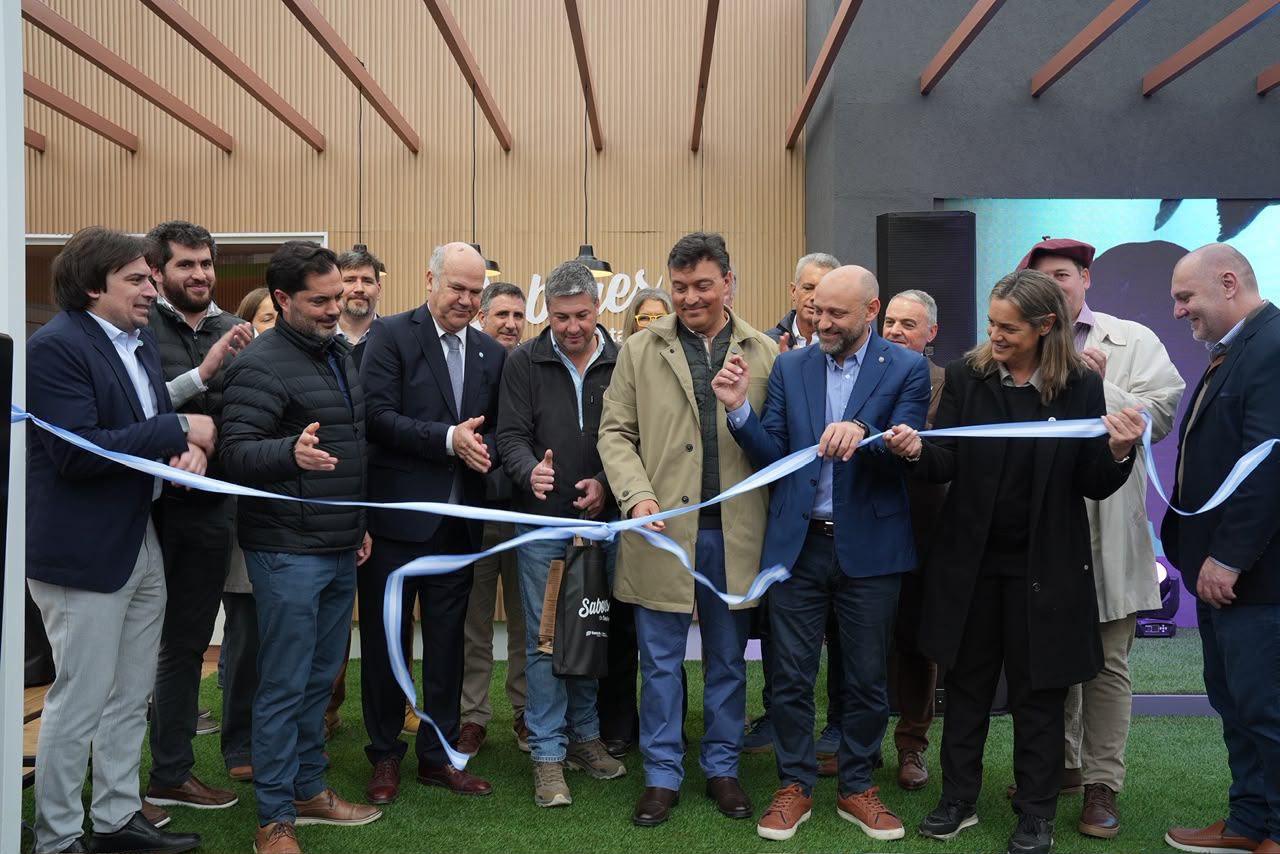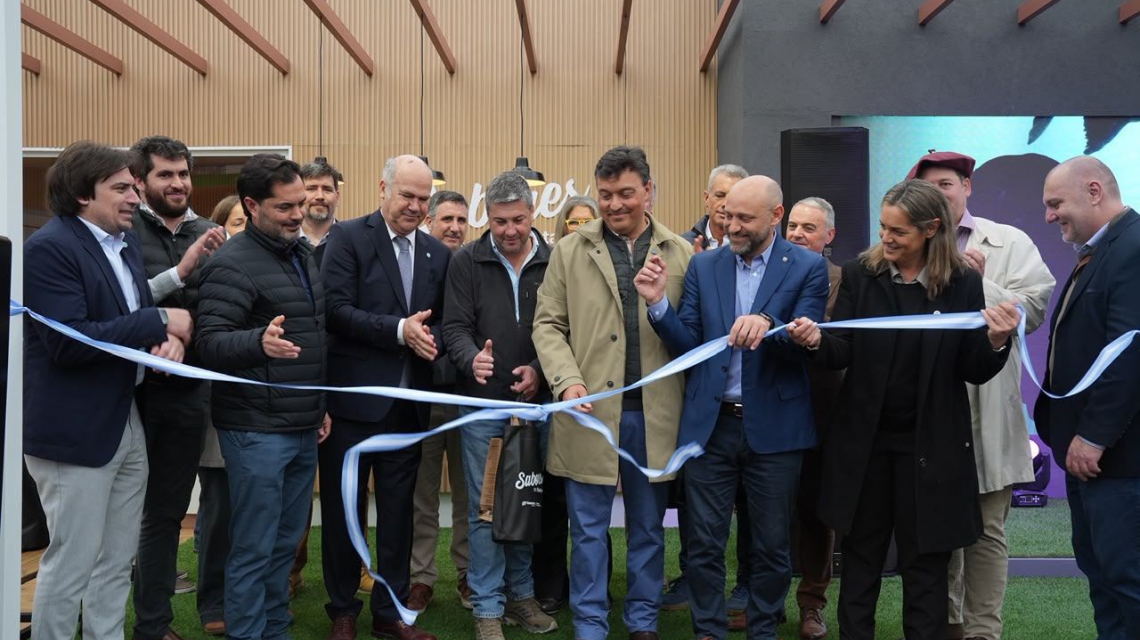
With strong political and institutional backing, the Government of Santa Fe officially opened its stand at the 138th International Livestock, Agriculture and Industry Exhibition in Buenos Aires. The Minister for Productive Development, Gustavo Puccini, delivered a message on behalf of Governor Maximiliano Pullaro and reaffirmed the government’s commitment to supporting the productive sector, highlighting tax relief policies, investment in logistics with a federal impact, leadership in biofuels, and the industrial and livestock strength that position the province as a key player in Argentina’s development.
The opening ceremony was attended by prominent officials, including the National Secretary for Agriculture, Sergio Iraeta; the President of the Argentine Rural Society (SRA), Nicolás Pino; Andrea Sarnari, President of the Argentine Agrarian Federation (FAA); Lucas Magnano, representing Coninagro; and the Vice-President of Carsfe, Juan Priotti.
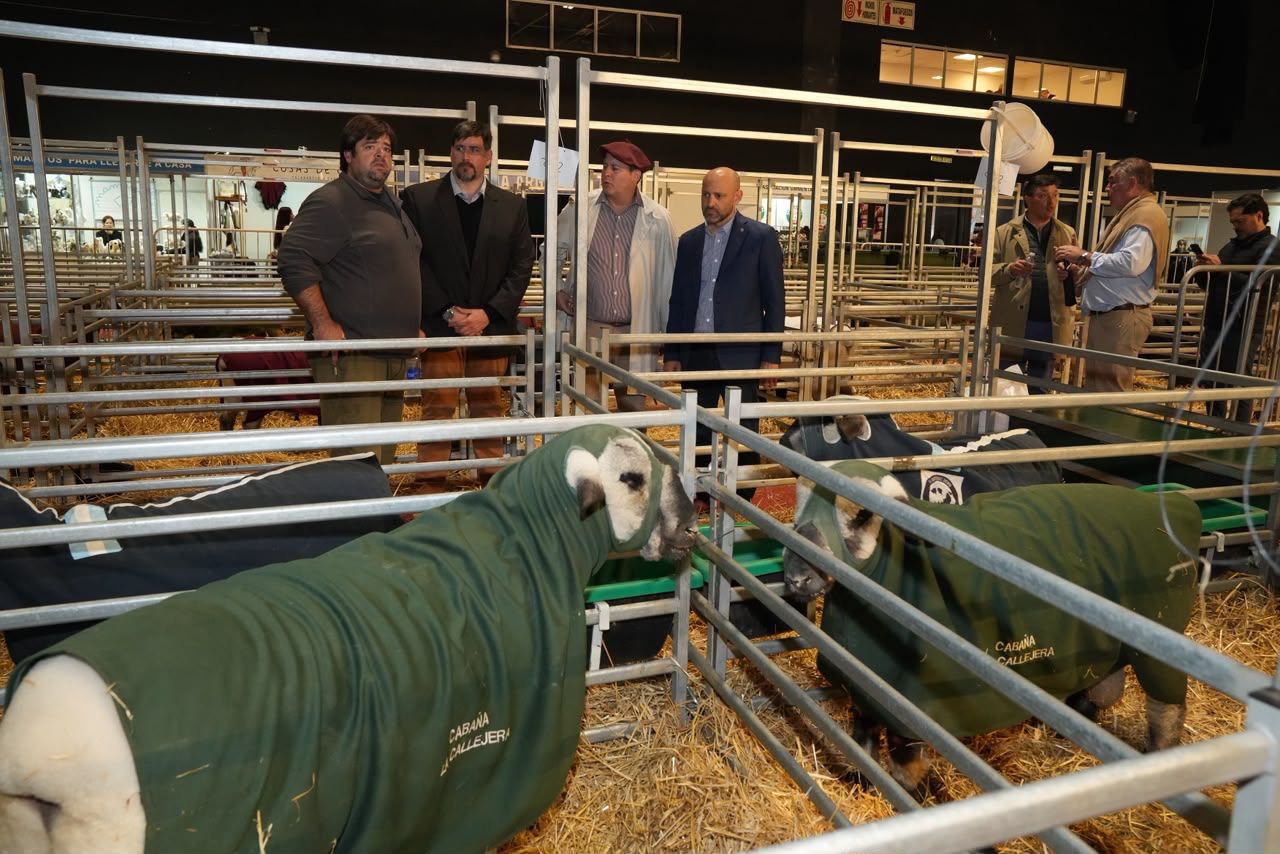
Puccini conveyed Pullaro’s message and was unequivocal about the administration’s approach: “Ever since we took office, we have advocated an unwavering defence of our productive sector. This is the Santa Fe Government that has done more to defend the agricultural sector than any other in the province’s recent history,” he emphasised.
Regarding the province’s presence at the exhibition, the minister highlighted that “this stand is not just a space at the Rural Expo; it is a piece of our province pulsating with life in Buenos Aires. We have brought our very essence: the strength of our producers, the innovation of our agri-industry and the richness of our culture. We are showing the country that, with clear rules and a government that stands shoulder to shoulder with those who invest, Santa Fe is truly the unstoppable driving force behind Argentina.”
Fiscal discipline and balance
In his presentation, Puccini set out the Santa Fe Government’s assessment of national policies, calling for an end to statutory export levies and pointing out that Santa Fe contributes 3,000 million dollars of the 6,500 million collected by the national government.
In contrast, he outlined the policies being pursued: “We maintain fiscal discipline and balance directly linked to productive development.” On the subject of tax relief, he highlighted that the agricultural sector in Santa Fe remains exempt from Gross Revenue Tax, rural rents and dairy farming contracts are exempt from Stamp Duty, and agricultural machinery is subject to zero registration tax.
He also emphasised the decision to make financing a matter of state policy: “We are present at every national trade fair where we know producers will be looking at technology or making strategic investment decisions, bringing our comprehensive range of loans to support those who invest.”
Logistics with a national impact
Puccini identified logistics as a key factor in boosting competitiveness. “This is not a plan designed solely for Santa Fe’s own benefit. 65 per cent of the lorries arriving at our port terminals come from other provinces. Therefore, every road we repair, every access route we improve and every train service we secure is a policy with a direct impact on the entire Argentine agricultural sector,” emphasised the minister. In this vein, he noted that, in the face of the national government’s withdrawal, Santa Fe took charge by implementing, using its own resources, a historic plan worth 2,000 million dollars, repairing and resurfacing 4,200 kilometres of roads. “We are the world champions of agriculture; with a record 75.7 million tonnes exported from the Up-River region. Looking after this giant means looking after the country’s economy,” stated Puccini, whilst also calling for predictability regarding the Waterway and Belgrano Cargas.