So far in 2026, the province’s air terminals have seen an increase in freight shipments and general cargo movements, with Rosario standing out in particular, having recorded an 80.99 per cent rise in its foreign trade operations compared with the same period in 2022.
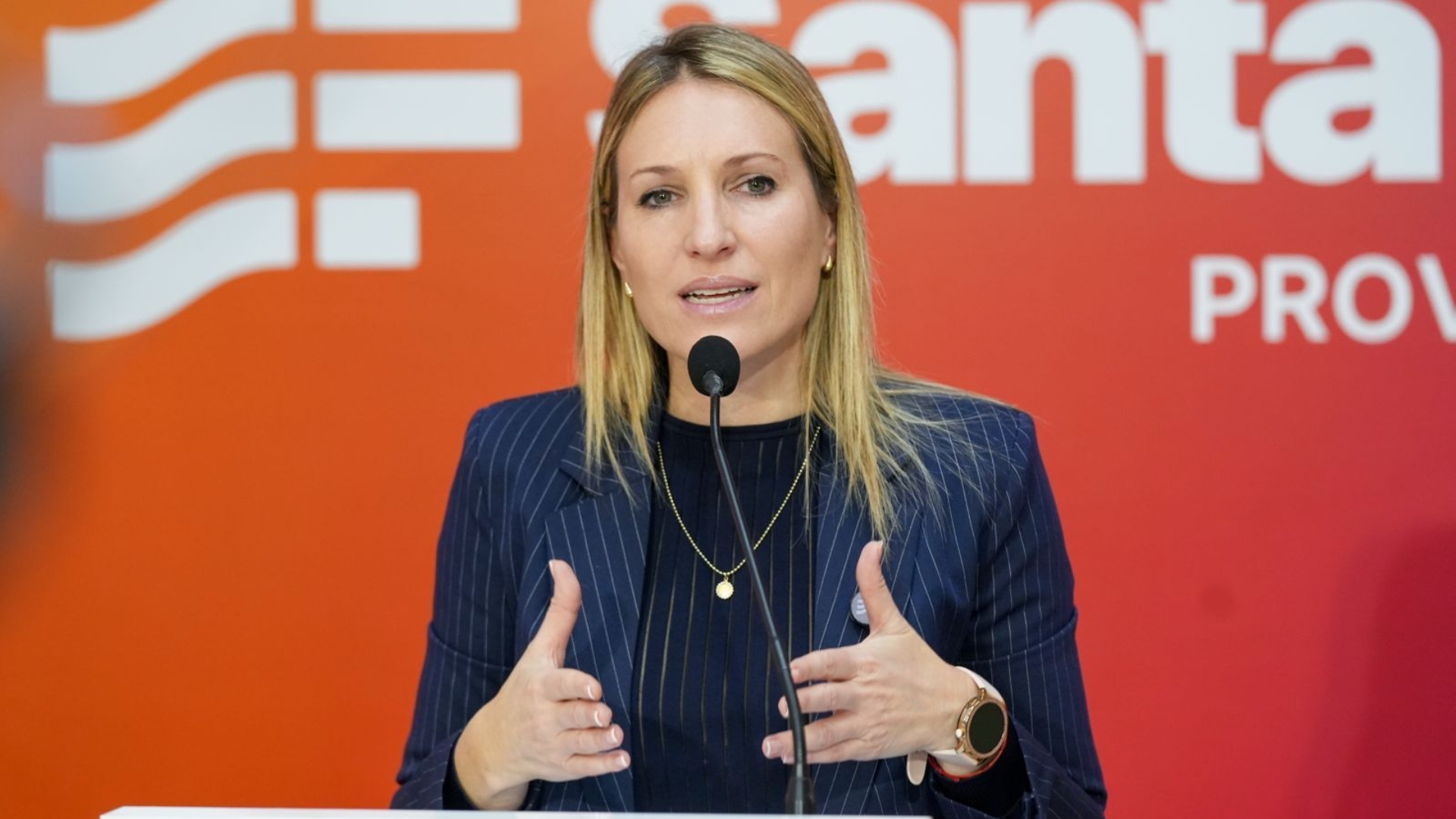
The province is thus reaffirming its strategic role in freight logistics and foreign trade through the coordination of infrastructure, production and a federal development approach led by Governor Maximiliano Pullaro. In this regard, the Minister for Productive Development, Gustavo Puccini, emphasised: “The Waterway and the airports are cogs in the same engine focused on the development of the real economy, as behind every flight and every shipment there are local jobs, investment and SMEs that see a future in a province that is projecting itself onto the world stage with efficiency and a modern vision.”
Rosario: export growth and a historic milestone
Rosario International Airport (ROS) reaffirmed its leadership in regional foreign trade by handling 1,133 international cargo operations during the first half of the year. This figure represents a 16.44 per cent increase compared with 2024, 32.51 per cent more than in 2023, and an 80.99 per cent rise compared with the first half of 2022, when 626 international shipments were recorded.
As for aircraft movements to support this logistics flow, ROS recorded a total of 4,623 movements, comprising 2,963 commercial flights and 1,660 general aviation flights, marking a 17.99 per cent increase compared with 2025 and a 13.70 per cent rise compared with the first half of 2022. Rosario is thus consolidating its position as the major logistics hub for the southern part of the province, directly linking regional production with the main overseas consumer markets and offering a competitive alternative to the centralisation in Buenos Aires.
Sauce Viejo: Complementary logistics hub
Meanwhile, Sauce Viejo International Airport handled 809 cargo operations, comprising 779 domestic and 30 international flights, representing a 25.82 per cent increase compared with 2024 and a 72.13 per cent rise on 2023. Furthermore, the Santa Fe terminal recorded a total of 2,046 aircraft movements, reflecting a year-on-year increase of 9.65 per cent. The Secretary for Transport and Logistics, Mónica Alvarado, noted: “The figures show that the capital’s terminal is beginning to establish itself strongly as an emerging hub for operations linked to productive activity in the north-central region.”
Case study: car parts and the Exporta Simple programme
The growth in cargo operations is the result of a provincial integrated logistics policy, bolstered by tools such as the Exporta Simple programme, designed to enable companies to operate efficiently and directly, avoiding the need to go via Ezeiza. This optimisation of the local air transport infrastructure has led to concrete examples of industrial competitiveness, such as the export of depalletised car parts from the region, which has resulted in a substantial reduction in transit times and a 30 per cent cut in logistics freight costs.
In line with this efficiency in the domestic market, a highly complex operation to transport 1,100 live chicks from San Genaro was successfully completed on 6 May. The birds were transported from Rosario to Aeroparque and on to Neuquén via Aerolíneas Argentinas, coordinated by the domestic freight company Jetpaq. Thanks to the seamless coordination of the supply chain, the consignment arrived on the same day with a 100 per cent survival rate, demonstrating the terminals’ capacity to support sensitive production chains within the national poultry sector.
To put the overall impact of this activity into perspective, Rosario accounted for 58.3 per cent of the province’s cargo operations, standing out for its focus exclusively on international markets, where operations grew by the aforementioned 80.99 per cent over four years. In total, the two terminals together recorded over 6,660 commercial and general aviation movements, consolidating a dynamic and efficient aviation ecosystem.
In this regard, Puccini concluded that “tools such as Exporta Simple and collaboration with logistics operators pave the way for producers in the region to ship their goods directly from their point of origin to global or domestic destinations, resulting in genuine employment, attracting investment and greater regional competitiveness”.